Professional Residential Electrician for Secure and Reliable Services
A professional residential electrician serves an essential role in maintaining the security and optimal performance of electrical systems in residences. These specialists are trained to handle setup, maintenance, and improvements, guaranteeing adherence to safety standards and local codes. Common issues, like flickering lights or faulty circuits, often require expert attention. Comprehending the scope of their work presents significant considerations about security, dependability, and sustained condition of a home's electrical infrastructure. What should property owners consider before engaging?
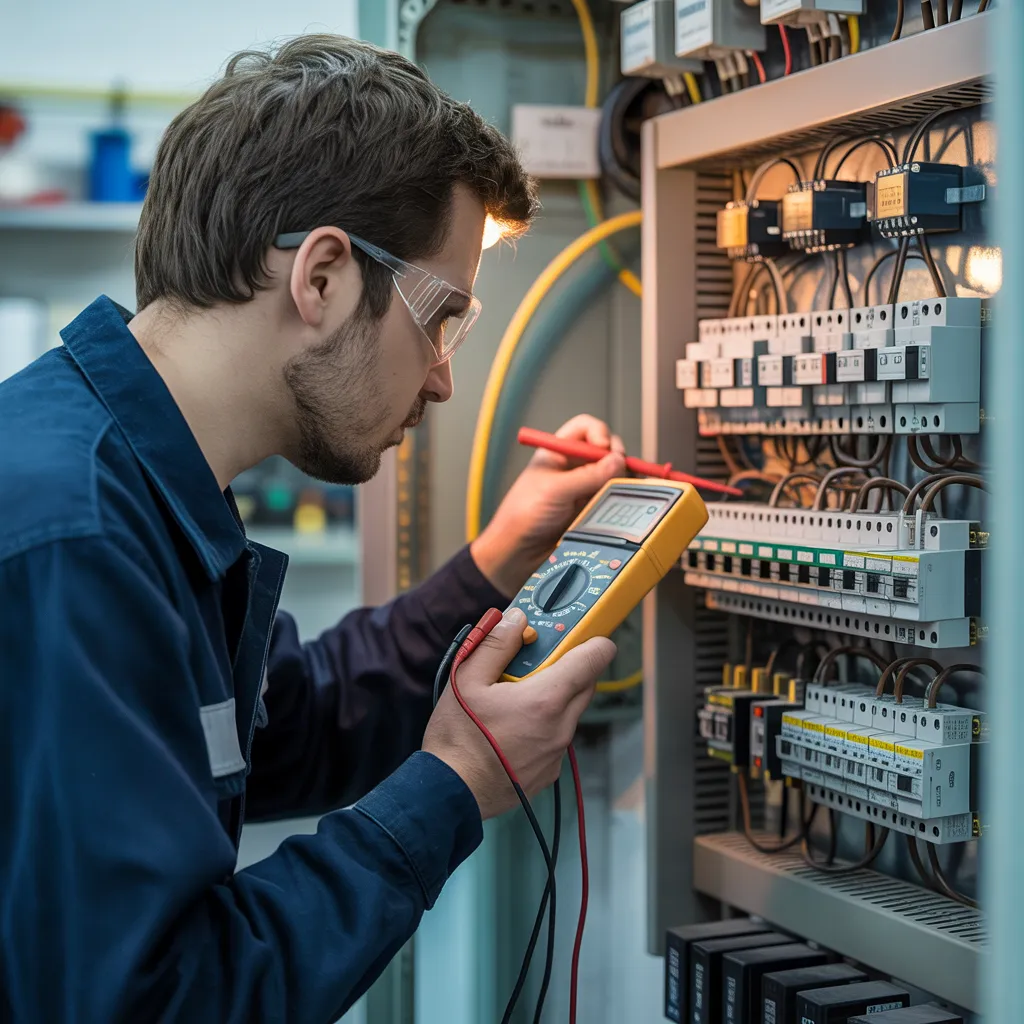
What Responsibilities Does Home Electrician Genuinely Have?
A residential electrician focuses on the setup, upkeep, and fixing of electrical systems within homes. Their main duties include wiring, circuit installation, and the setup of lighting fixtures. They also troubleshoot electrical issues, ensuring that systems function efficiently and safely.
Beyond these tasks, residential electricians carry out routine evaluations to uncover potential threats and confirm conformity with relevant codes. They frequently enhance existing systems to support new appliances or technology, thereby improving a home's efficiency.
Moreover, they deliver worthwhile professional advice, assisting homeowners discover energy-efficient solutions and innovative electrical designs. A residential electrician equally coordinates with other contractors during building upgrades or construction projects, securing that electrical work coordinates effectively with other aspects of the project. By deploying technical equipment and observing industry standards, they maintain an essential role in upholding a safe and reliable electrical environment in residential settings.
Safety Guidelines in Electrical Work: Key Facts for Homeowners
What tactics can homeowners use to make sure their electrical systems remain safe and regulatory compliant? Comprehending safety rules is paramount. Power codes, such as the National Electrical Code (NEC), provide a template for safe implementations and techniques. Homeowners should determine their systems meet these standards to lessen risks of electrical fires and shocks.
Routine checks by a certified electrician can help detect potential hazards. Electricians are qualified to adhere to local codes and establish safety measures. Homeowners should also be knowledgeable of proper capacity limits to prevent overload, which can cause overheating.
In addition, applying certified products and materials is indispensable for sustaining safety. Homeowners must stress the installation of GFCI outlets in water-exposed zones and check smoke detectors are in good condition. By remaining informed and proactive about electrical safety standards, homeowners can substantially reduce risks and create a safe living environment.
Common Electrical Issues and How Professionals Solve Them
Homeowners frequently face various wiring problems that can threaten safe operation and performance. Typical issues consist of flickering lights, breakers that trip, and non-functioning outlets. These issues can stem from old-fashioned electrical systems, circuits carrying too much load, or defective devices.
A common problem is electrical surges, which can damage equipment and gadgets. Ground fault circuit interrupters (GFCIs) may fail, causing dangers in wet locations like kitchens and bathrooms.
Technicians determine these problems by executing thorough evaluations, examining wiring quality, and analyzing the demand on circuits. They utilize specialized equipment to uncover concealed defects and confirm adherence with regulatory standards.
How to Resolve Typical Wiring Issues With Expert Guidance
Typical electrical problems often require the knowledge of a professional electrician. Flickering lights, circuit breakers that trip frequently, and outlet malfunctions are common problems that can indicate underlying electrical faults. Engaging a qualified electrician ensures these issues are identified accurately and resolved safely.
Flickering Lights Solutions with immediate solutions
Flickering fixtures can affect the comfort of any home, signaling potential electrical issues that call for immediate attention. This usual problem often indicates loose connections, faulty switches, or inadequate wattage. Homeowners should first check if the flickering takes place with individual bulbs or throughout the entire house. If it is isolated, installing a new bulb may solve the issue. However, persistent flickering demands consultation with a professional residential electrician, who can accurately diagnose and repair underlying problems. A qualified electrician will inspect wiring, assess circuit loads, and guarantee all connections are secure. Addressing flickering lights promptly not only restores peace but also improves safety, preventing possible hazards like electrical fires. Professional intervention provides peace of mind and long-term solutions.
Circuit Breaker Activation Causes
Understanding these problems is essential; engaging a professional residential electrician to diagnose and resolve these problems ensures safety and efficiency in the home's electrical system.
Outlet Defect Repair
Grasping the potential problems related to circuit breakers naturally highlights the importance of troubleshooting outlet malfunctions. Outlet issues can appear as flickering lights, non-working devices, or odd noises from the outlet itself. These signs often point to underlying electrical issues that need professional assessment. A qualified electrician will start by inspecting the circuit for overloads, loose connections, or faulty wiring. They may also verify proper grounding and voltage levels to ensure safety. Addressing such malfunctions quickly is vital, because neglect can cause more dangerous hazards, including electrical fires. Using a professional guarantees that homeowners' electrical systems operate effectively and safely, protecting both their property and peace of mind.
Why Hire an Professional for Electrical Upgrades?
Upgrading electrical systems can significantly improve a home's safety and efficiency, making professional help necessary. Homeowners often underestimate the complexities involved in electrical upgrades, which can lead to costly mistakes or hazardous situations. Professional electricians have the required expertise and knowledge to comply with local codes and regulations, ensuring that upgrades are compliant and safe.
Furthermore, specialists can analyze a home's specific electrical needs, proposing personalized approaches that enhance operation and energy conservation. They are provided with the necessary equipment and skill to address conceivable difficulties, such as outdated wiring or limited electrical capacity. This proficiency not only decreases dangers but also increases the longevity and reliability of the electrical system.
In the end, engaging a skilled electrical professional for enhancements not only safeguards a home but also offers peace of mind, realizing that the work is properly and effectively performed, thereby boosting the value in the property.
Understanding Your Electrical Check-up Needs?
During an electrical inspection, homeowners can expect a thorough evaluation grounded in a common checklist that points out important parts of their system. Evaluators will review compliance with safety standards to confirm the power system is both efficient and secure. Grasping these requirements helps homeowners prepare for a successful inspection process.
Routine Review Guideline Items
A detailed electrical inspection typically encompasses several critical checklist items that assure protection and compliance with requirements. Inspectors often commence by assessing the electrical panel for adequate ground connections and firm attachments. They check conductors for any evidence of degradation, damage, or improper installation. Safety switches and fuses are tested to verify they are functioning read the full story correctly and sufficiently designed for the current load. Moreover, plug receptacles and light switches are examined to validate they are grounded and free from defects. Smoke detectors and carbon monoxide detectors are equally verified for correct function. Ultimately, the inspector reviews any modifications or additions to the electrical setup to ascertain they comply to building codes and guidelines, guaranteeing the complete protection of the the residence's electrical infrastructure.
Security Standards Compliance Overview
Following an exhaustive checklist review, comprehending safety standards compliance is important for property owners. Compliance with safety standards for electrical systems ensures that electrical installations meet both national and local requirements, reducing risks associated with electrical dangers. Property owners can expect the electrician to inspect proper grounding, circuit integrity, and the application of approved materials. Furthermore, adherence to the National Electrical Code (NEC) is critical, as it outlines the baseline safety requirements for electrical installations. During inspections, electrical experts will assess the functionality of smoke alarms and carbon monoxide alarms, confirming they operate properly. By prioritizing safety guidelines, homeowners not just preserve their residence but also safeguard the welfare of their families. Ultimately, adherence fosters trust in electrical work and supports ongoing safety.
How to Find the Perfect Electrician for Your Home
Finding the ideal electrical contractor for your house can seem overwhelming—what factors should one think about? First, confirming credentials is important. A licensed electrician confirms that they have fulfilled the mandatory education and benchmarks. Homeowners should also look into insurance, as this guards against unforeseen risks during the project.
Experience serves as another key necessity; practitioners with a solid track record are often more competent at resolving various issues. Examining assessments and collecting suggestions can furnish insight into their reliability and excellence of work.
In addition, procuring numerous estimates aids homeowners contrast expenses and service options, guaranteeing they get a fair deal. Dialogue abilities are equally important; an electrician must be capable of relay issues and solutions distinctly.
Finally, assessing their knowledge with local regulations and codes can prevent future issues. By carefully weighing these factors, homeowners can make a informed choice, ultimately ensuring security and efficiency in their electrical projects.
Common Inquiries Asked Often
How Much Will You Pay to Hire a Residential Electrician?
The rate for hiring a home electrician typically falls between $50 to $100 per hour, based on your area and the complexity of the job. Additional fees may be needed for supplies and emergency work, modifying the final cost.
What timeline for an electrical task generally?
An electrical assignment usually takes a few hours to several days, based on its scope and complexity. Elementary repairs may require little time, while major installations or renovation projects can considerably extend the duration.
What Qualifications Should I Seek in an Electrical Specialist?
When searching for an electrical contractor, one should emphasize credentials such as proper licensing, insurance, relevant experience, and favorable client feedback. Additionally, certifications in specific fields can improve their credibility and ensure quality workmanship.
Do Urgent Electrical Services Exist?
Emergency electrical services is certainly accessible. Many electrical technicians offer 24/7 assistance for critical problems, providing rapid response and fixes to return security and performance. Residents should verify accessibility and response times before emergencies develop.
May I Undertake Electrical Projects Personally in a Legal Way?
In many jurisdictions, residents are able to lawfully manage electrical work on their own properties, but regulations fluctuate. It's necessary to look into local codes and safety standards to confirm compliance and evade potential hazards or fines.